

Metro Mining’s Record Q1 Bauxite Shipments Put It on Track for 2025

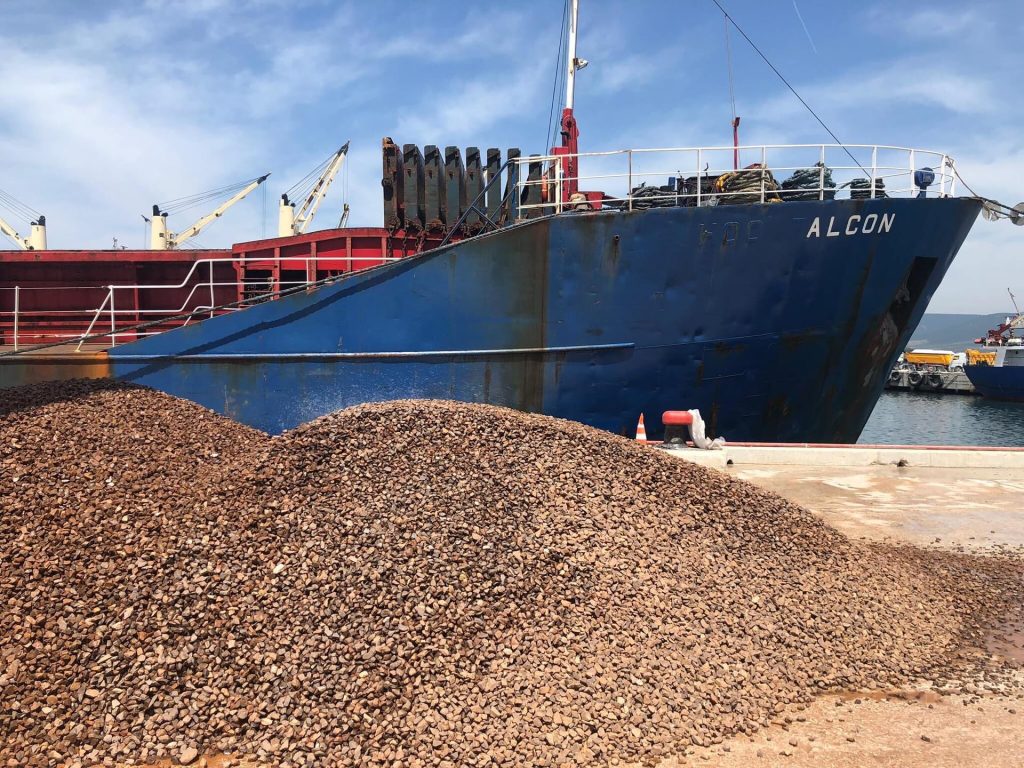


Metro Mining Ltd. kicked off 2025 with a record-breaking first quarter, shipping 184,000 wet metric tonnes (WMT) of bauxite and generating $9 million in FOB revenue—an early signal that the Queensland-based company is on track to meet its ambitious annual target of 6.5 to 7 million WMT.
The strong performance comes amid heightened global demand for bauxite, a key input in aluminum production, and positions Metro as a leading low-cost exporter in a volatile commodity environment. The company’s strategic offtake agreements and operational upgrades have placed it at the front of the line for supplying bauxite to markets increasingly squeezed by supply constraints—most notably China.
“This quarter’s numbers show that Metro is not just keeping pace with demand, it’s out in front,” said Hugh Callaghan, a Brisbane-based mining analyst. “They’ve executed well on capital projects that improve throughput while locking in buyers for the long term.”
Related News
2025 Ambitions Built on 2024 Momentum
Metro’s performance in 2024 laid the groundwork for this year’s targets. The company shipped a total of 58.7 million WMT last year, up 24% from 2023. In January, it set a full-year 2025 shipping capacity goal of 7 million WMT—an aspirational target that now looks well within reach.
Supporting that confidence is the timely deployment of infrastructure improvements. The addition of a new wobble circuit has enhanced ore processing reliability, especially under wet conditions, while the implementation of Ikamba systems has improved environmental risk management—key in securing export credibility with ESG-sensitive buyers.
On March 17, 2025, Metro loaded its first vessel of the year, following the traditional cyclone-season hiatus. With that, it not only hit a production milestone but also reaffirmed its shipping timeline—a crucial detail for offtake partners operating on tight inventory cycles.
Strategic Buyers, Rising Prices
Metro’s forward momentum is underpinned by a pipeline of multi-cargo agreements with major global aluminium producers. In Q1, the company advanced negotiations with Emirates Global Aluminium and extended offtake agreements with China’s Xinfa Aluminium Group, Shandong Lubei, and Chalco.
“Securing multi-year offtakes with industrial powerhouses like EGA and Chalco provides Metro with revenue certainty and bargaining leverage,” said Melanie Xu, a Hong Kong-based commodities trader.
That timing couldn’t be better. Bauxite contract prices have edged higher in 2025 and are expected to climb further, offering favorable margins for well-positioned exporters. Metro’s low-cost base—bolstered by automation and port logistics advantages—allows it to compete on price while preserving profit in a tightening supply environment.
China’s Shortfall, Global Opportunity
China’s domestic bauxite production remains insufficient to meet its surging aluminum demand, opening a structural import gap that exporters like Metro are rushing to fill. Although Beijing continues to explore new domestic and Southeast Asian sources, reliability and quality issues persist.
“The Chinese market remains hungry for high-quality, consistent bauxite supply,” said Xu. “That gives Australian producers like Metro a strategic advantage, especially with ports and political risk factored in.”
Beyond China, Metro is also eyeing supply deals with buyers in Malaysia, Indonesia, India, and the Middle East—regions where infrastructure growth and aluminum smelting capacity are accelerating.
Capitalization and Market Standing
Metro’s market capitalization stands at USD 328.9 million as of April 2025, reflecting investor confidence in the company’s production pipeline and long-term offtake strategy. While rising costs and currency fluctuations present potential headwinds, the firm’s cost discipline and customer diversification offer a buffer against downside risk.
With Q1 in the books and output trending upward, Metro appears increasingly likely to not only hit its 2025 targets but exceed them—cementing its position as a key supplier in the global bauxite ecosystem.